The Competency to Credential Model
JAG-K Model Programs
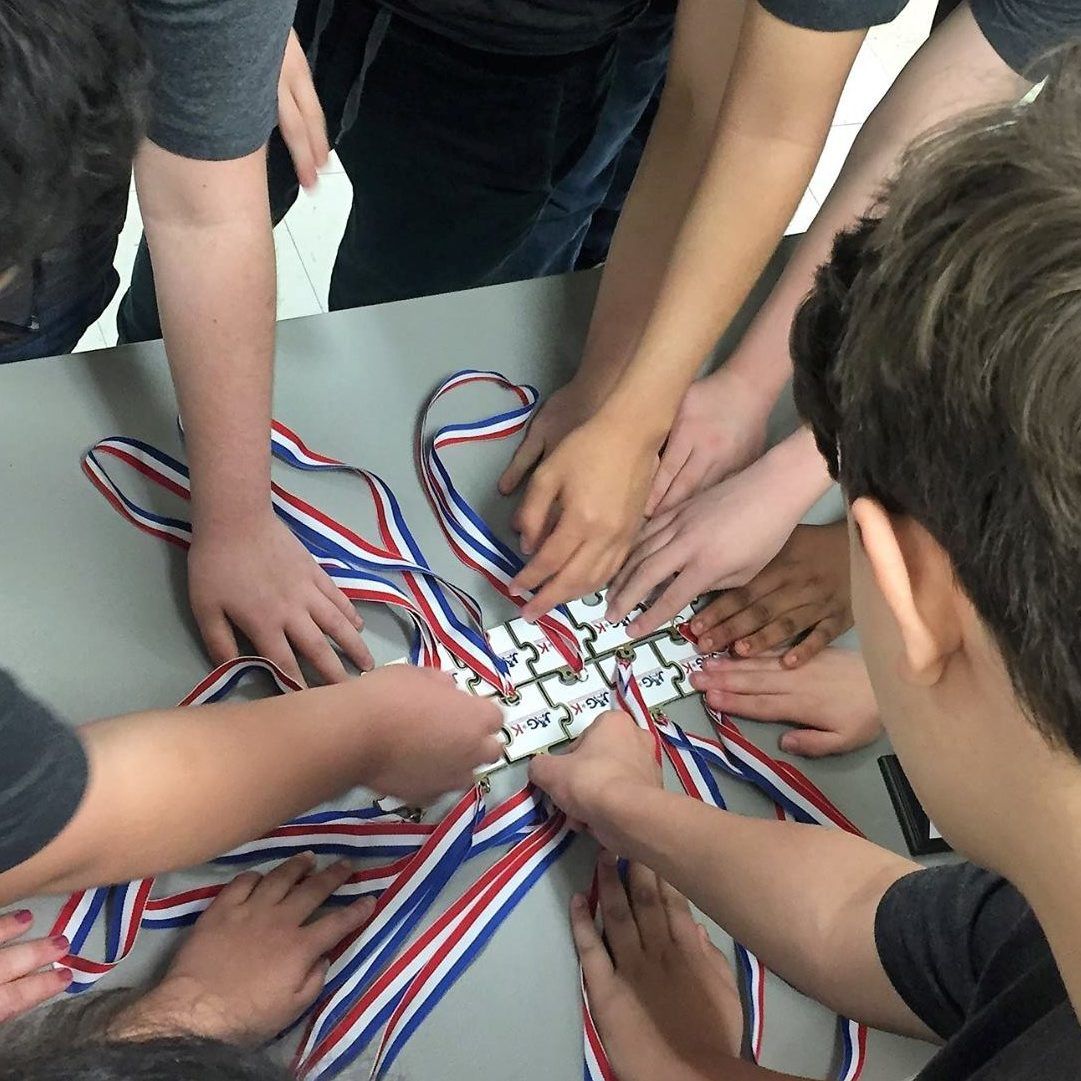
The Competency to Credential Model is taught in Middle School, Multi-year, and Alternative Education JAG-K programs.
The JAG-K Competency to Credential Model is a comprehensive, multi-year career development framework that integrates competency-based instruction, individualized career planning, employer engagement, and stackable industry-aligned credentials.
The model prepares students for successful transition into the workforce, military service, and/or post-secondary education and training by requiring students to demonstrate mastery of transferable and technical skills aligned to labor market needs.
Unlike traditional seat-time models, the Competency to Credential Model emphasizes verified evidence of learning, applied skill development, and structured career pathway navigation. The model is evidence-based and creates trackable results.
Evidence-Based Foundations
Within the programs across Kansas, JAG-K utilizes the Middle School, Multi-Year, and Alternative Education program applications to incorporate the 6 evidence-based foundations of the Competency to Credential Model.
Competency-Based Learning with Verified Credential Attainment
Competency-Based Education equips students with mastery, motivation, and measurable skills that align with college
and workforce expectations.
By focusing on what students know and can do, rather than how long they sit in class, CBE creates equitable opportunities for every learner to achieve success.
Employer Engagement & Work Based Learning
National research consistently demonstrates that structured, career-aligned employer engagement and work-based learning improves academic outcomes, graduation rates, employability skills, post-secondary enrollment, and long-term employment outcomes.
12 Month Follow-Up Services After High School Completion
Career Specialists will deliver value-added support and advocacy to graduates and non-graduates throughout a 12-month follow-up period. Follow-up contacts must occur monthly, at a minimum.
Specialists will collect employment and education information, in addition to checking on the needs
of the student.
Other Embedded Evidence-Based Strategies
Other embedded evidence-based strategies include, but are not limited to;
- Small Class Sizes
- Multi-year teaching
- Goal Setting
- Financial Literacy
This foundation strengthens the learning model by integrating additional structural supports shown to improve outcomes for students.
Our History
The original JAG Model was launched in 1979 in the State of Delaware as a “school-to-work transition program” designed to keep students in school through graduation and help them transition into the workplace in quality jobs. The national program now has models in 32 different states. In 2013, Governor Sam Brownback brought the JAG Model to Kansas and launched the Jobs for America’s Graduates-Kansas (JAG-K) program in 25 different schools across our state.
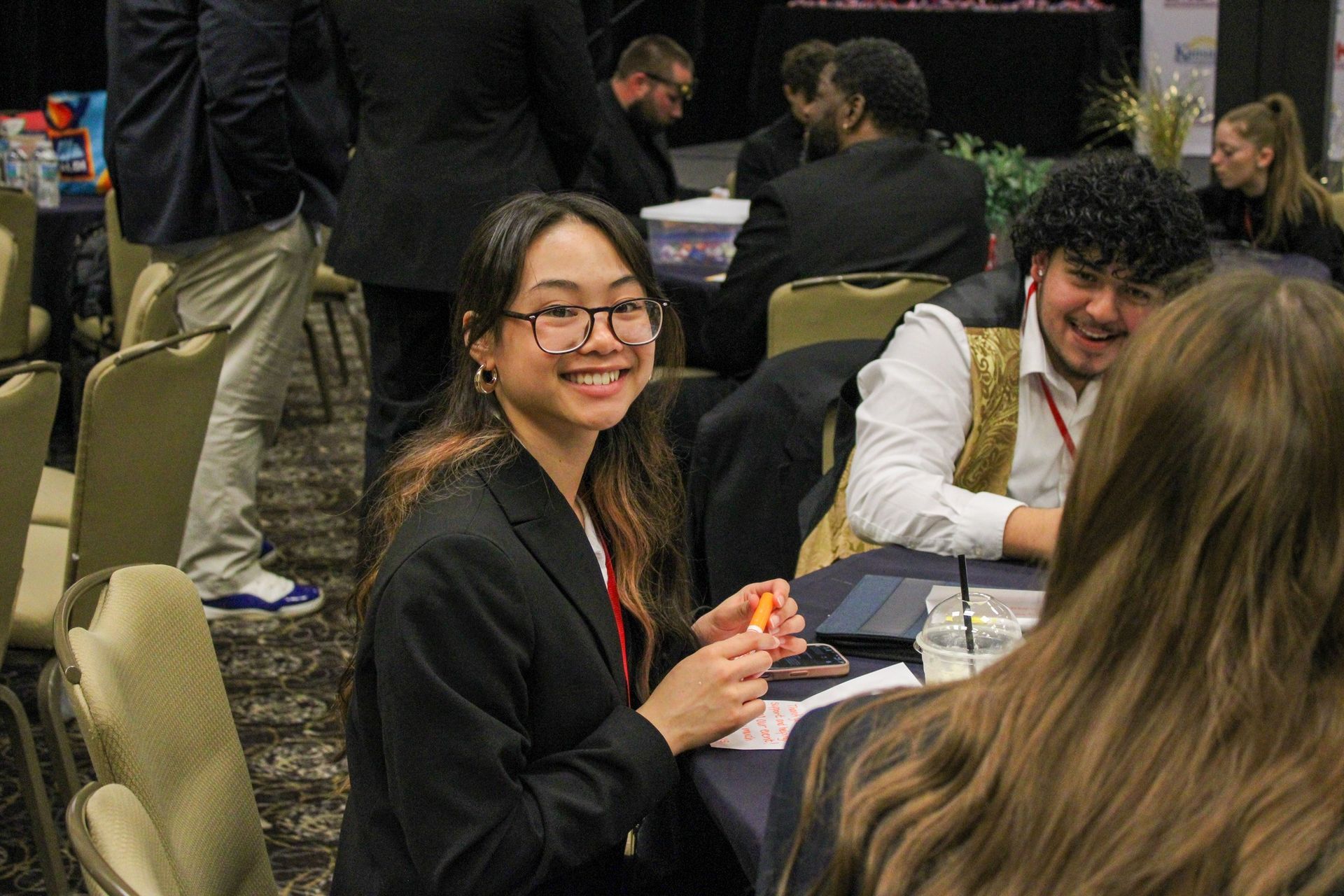
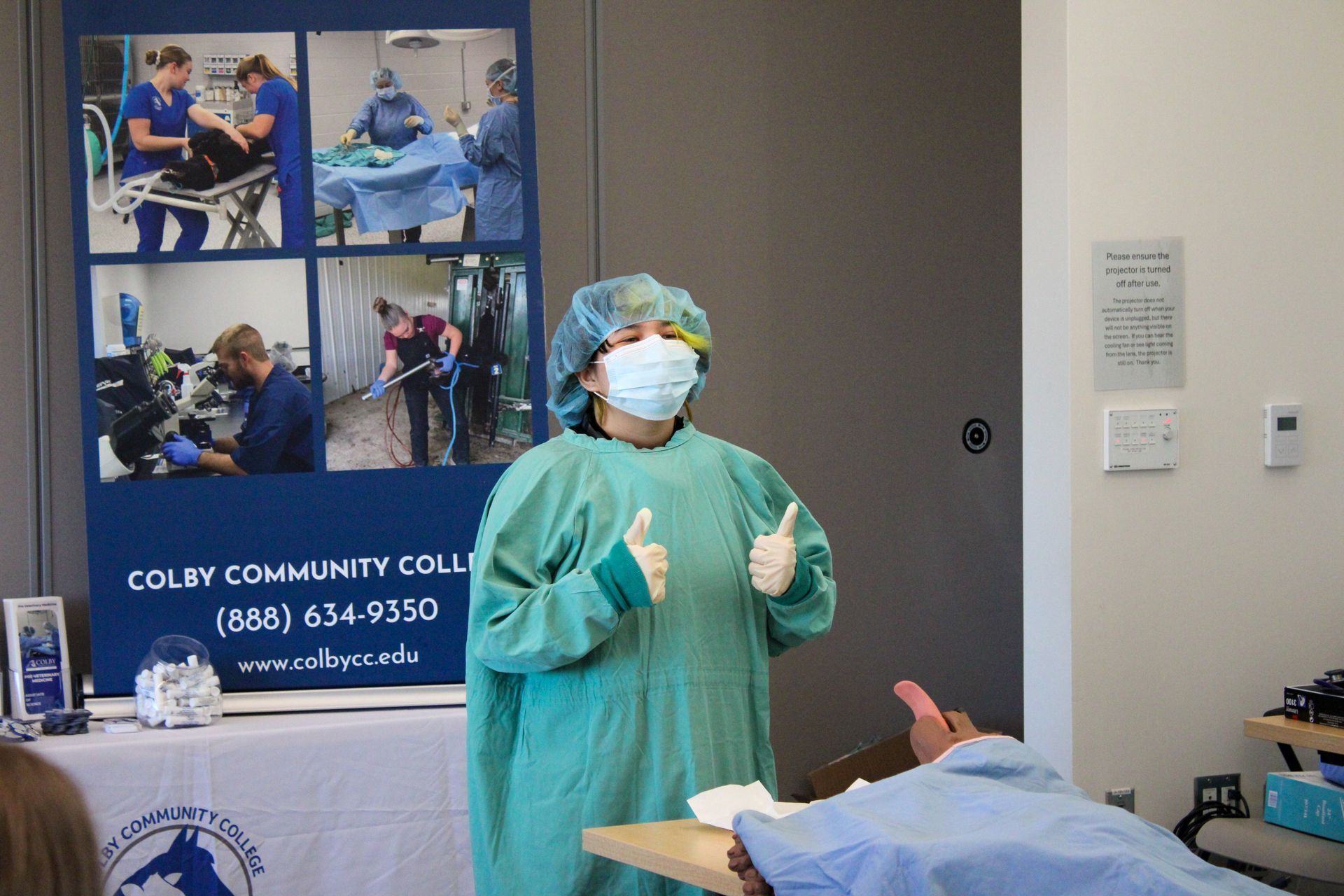
Since then, JAG-K programs have been established across the state. For the 2025-2026 school year, JAG-K has 120 programs in 54 school districts. Each year, our Career Specialists invest in approximately 6,500 students to help them discover their true potential and graduate from high school. Career Specialists also develop community relationships to help provide internships, job shadowing opportunities, guest speakers, college and business visits and other career and leadership development opportunities.
During the 2025-26 school year, JAG-K piloted the Competency to Credential Model, a new learning model created through collaboration with Kansas workforce and education partners based on provided feedback that is more closely aligned with Kansas outcomes and expectations. In addition to the ever-changing workplace, fewer youth are employed in summer or in part-time jobs, increasing the need for this Competency to Credential Model to build the skills needed to be successful in any career.
In the 2026-27 school year, this model will be implemented across the state in all programs.
Get Involved
Contact us for information on volunteering or sponsoring a youth enrichment event.

JAG-K helps students prepare for successful futures.
Quick Links
Contact Information
Mailing Address: P.O. Box 4199 Topeka, KS 66604
Office Address: TownSite Tower, 534 South Kansas Avenue, Suite 1310 Topeka, KS 66603